Why being busy feels safer than being still
When your calendar clears and your body panics, and why stillness registers as threat instead of relief.
By Trupti Gavit
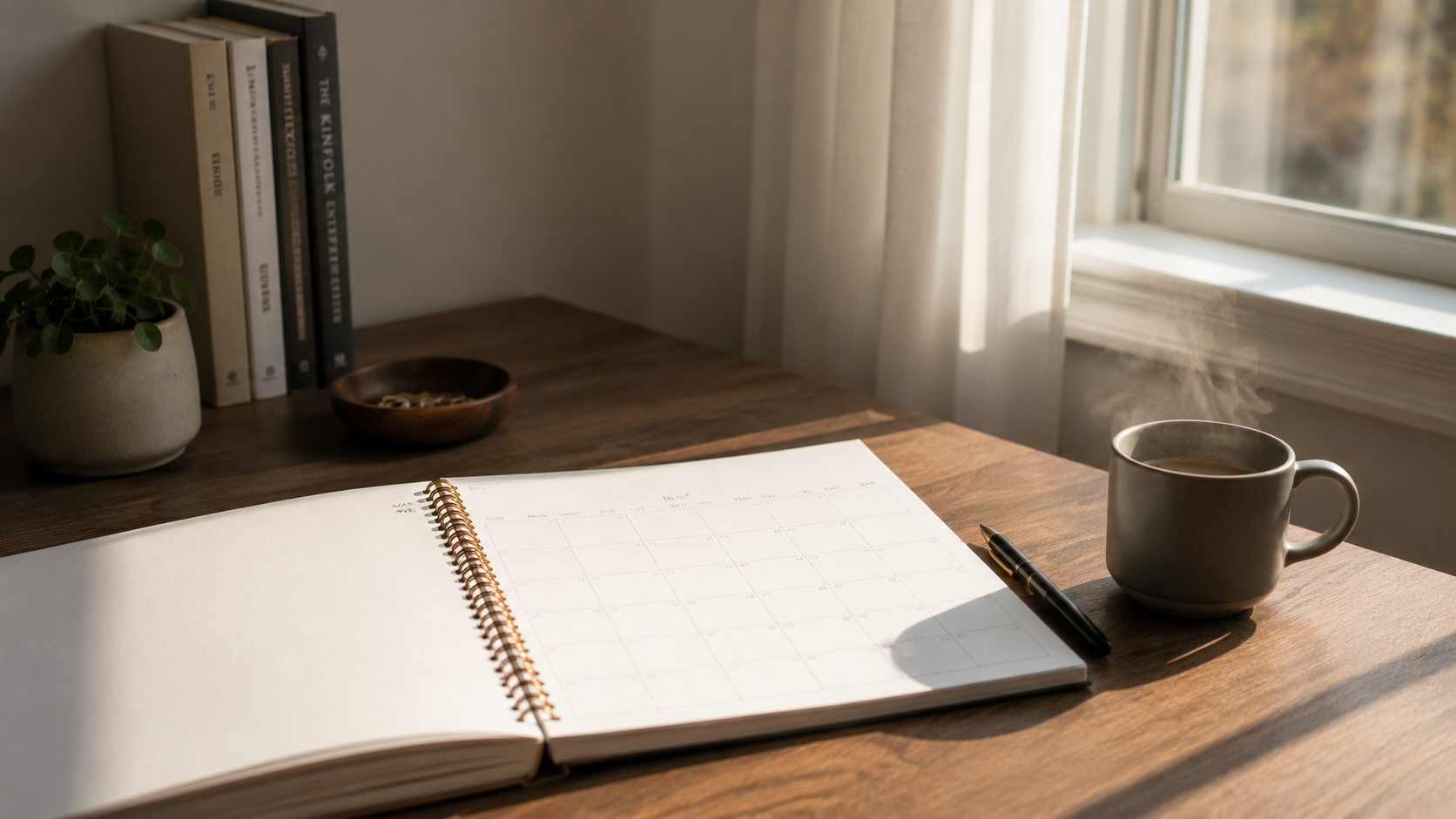
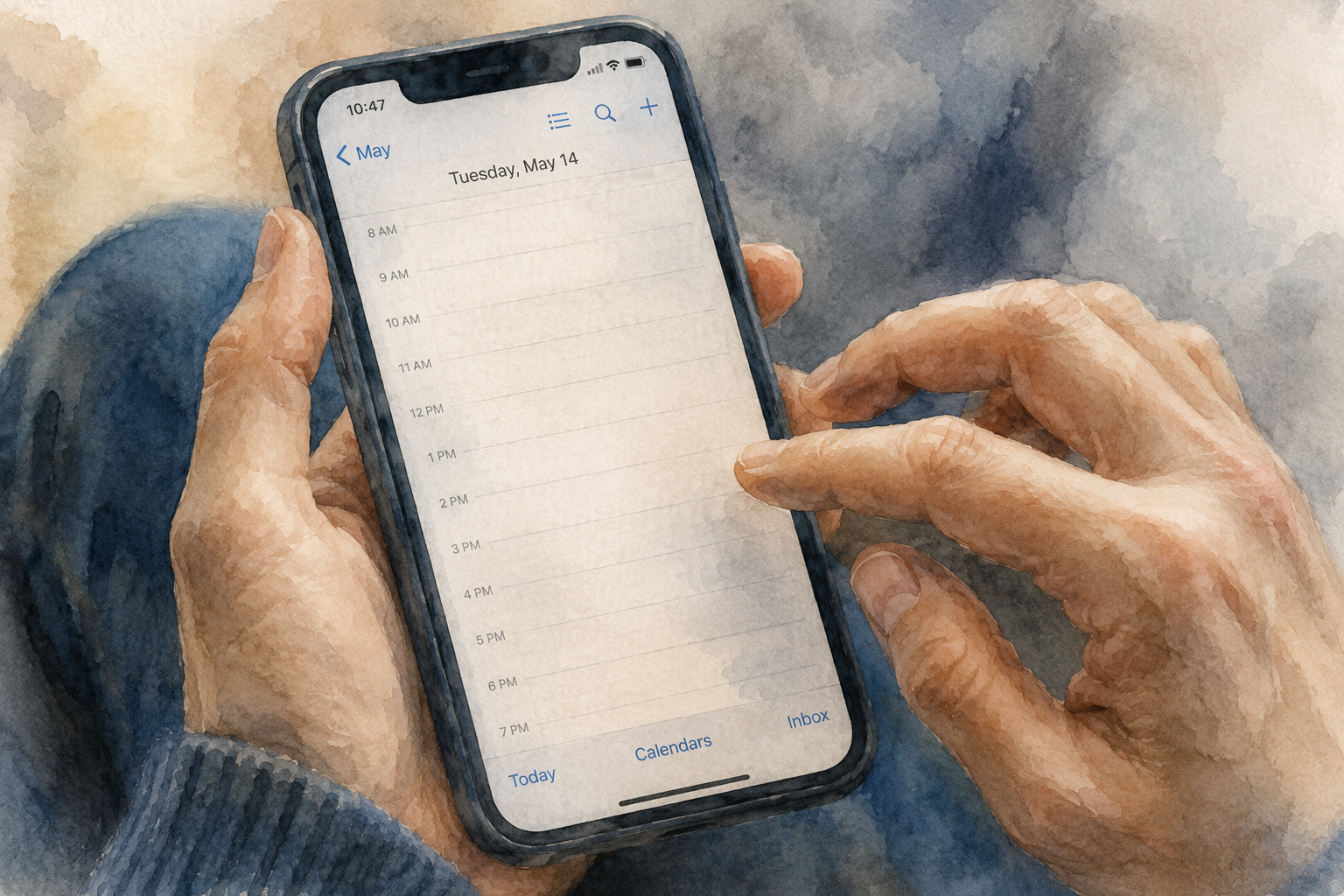
It's a Tuesday morning and your calendar is clear. Not just light—actually empty. No meetings, no deadlines, no one needing anything from you for the next few hours.
You should feel relieved. You've been complaining about being too busy for weeks. This is what you wanted.
But your body doesn't feel relieved. It feels... wrong.
Your chest is tight. You check your email three times in ten minutes. You scroll your to-do list looking for something urgent. You think about reorganizing your desk, calling someone back, getting ahead on next week's work. Anything to fill the space.
The stillness feels like a trap. Like empty space that needs filling. Like if you're not actively busy, you're doing something wrong.
And underneath that, a quieter feeling: if you stop, you might have to feel everything you've been outrunning.
When productivity becomes a hiding place
Here's what a lot of us don't say out loud: busyness isn't just about getting things done. It's about not having to sit with what happens when we're not doing anything.
For some people, being busy is armor. It's proof of worth. It's the thing that justifies existing. It's the answer to the question no one's asking but you're always defending against: What have you done today?
For others, it's a distraction. As long as you're moving, planning, checking things off, you don't have to think about the relationship that's not working, the grief you haven't processed, the loneliness that lives in the quiet moments.
And for a lot of us, it's both.
Busyness is the place where we feel competent. Where we know what's expected. Where our value is measurable and our purpose is clear. Stillness, on the other hand, is the place where all the things we've been avoiding show up and ask to be felt.
Your body didn't learn that busyness was necessary because it loved productivity. It learned that busyness kept you safe from something scarier—being with yourself when there was nothing left to do.
Maybe you grew up in a house where rest meant being forgotten. Or criticized. Or left alone with feelings you didn't have tools to process. Maybe love was conditional on achievement, so you learned that being useful was the same thing as being worthy. Maybe stillness meant being vulnerable, and vulnerability meant pain.
So you started filling every gap. You said yes to everything. You kept moving. You built a life where there was always something to do, because doing meant you didn't have to stop and face what stillness might bring up.
And now, even when you have time to breathe, your body treats it like a threat.
The fear hiding under the to-do list
The thing about using busyness as a shield is that it works—until it doesn't.
You can outrun your feelings for a while. You can fill your calendar so full there's no room for discomfort. You can keep your mind occupied enough that the hard stuff stays in the background.
But your body keeps score. And eventually, the exhaustion catches up. The resentment builds. The thing you've been avoiding gets louder, not quieter.
And when you finally do have space to rest—when the project ends, the weekend arrives, the calendar clears—you don't feel peace. You feel panic.
Because stillness isn't neutral for you. It's the place where all the Open Loops come flooding in. The unfinished feelings. The unprocessed grief. The questions you don't have answers to. The quiet voice that's been asking is this really what you want? while you've been too busy to listen.
Stillness doesn't feel safe when you've spent years learning that being still means being left alone with the things you're most afraid of.
What your body is actually doing
When you can't sit still, your body isn't malfunctioning. It's doing exactly what it learned to do: protect you from discomfort by keeping you in motion.
Busyness keeps you in motion—the part of you that says we have things to do, let's move, stay alert, stay productive. It's not relaxed, but it's familiar. It feels like control.
Stillness, on the other hand, asks your system to downshift. To let go of control. To trust that nothing bad will happen if you stop moving. And if your early experiences taught you that stillness wasn't safe—that it meant being vulnerable, forgotten, or overwhelmed—your system will resist that shift with everything it has.
That restless feeling when your calendar is empty? That's not laziness trying to sneak in. That's your body saying, "If we stop, something bad might happen. Let's find something to do so we stay ready."
And the only way to teach your system that stillness is safe is to practice staying in it, even when it feels uncomfortable.
The practice isn't about doing less
This doesn't change because you suddenly clear your calendar and force yourself to sit with discomfort for hours. That's too much, too fast, for a body that's been using busyness to survive.
Instead, you start small.
You start by noticing the urge. The next time you have free time and feel that pull to fill it, pause. Ask yourself: Am I actually excited about this task, or am I just trying to avoid being still?
You don't have to change your behavior yet. You just have to see the pattern.
Then, when you're ready, you practice staying. Just for a few minutes. You let the calendar be empty. You let yourself sit without immediately reaching for your phone or your to-do list. You notice what comes up—the anxiety, the restlessness, the thought that you should be doing something productive.
And you stay anyway. Not forever. Just long enough to let your body start gathering new data: We're still. And we're okay. Nothing bad is happening.
Stillness can hold more than one thing at once — rest, and whatever you've been moving too fast to feel.
At first, it will feel like you're wasting time. Your brain will offer up a dozen urgent tasks. Your body will feel jittery, uncomfortable, wrong.
That's not a sign you're doing it wrong. That's a sign your system is learning something new. And learning always feels clumsy before it feels natural.
Over time, with practice, stillness starts to feel less like a threat and more like a place you can actually land. Not because you've forced yourself to relax, but because you've taught your body that being still doesn't mean being unsafe.
The question underneath it all
If you've been using busyness to avoid something, the hardest part isn't learning to sit still. It's facing what shows up when you do.
Maybe it's grief you haven't let yourself feel. Maybe it's anger that doesn't have anywhere to go. Maybe it's the realization that the life you've been building isn't actually the one you want.
Those things are heavy. And it makes sense that you'd rather stay busy than face them.
But here's the truth: avoiding them doesn't make them go away. It just means you carry them while also carrying the weight of constant motion. And eventually, that becomes unbearable.
Stillness isn't about doing nothing. It's about making space for the parts of you that have been waiting for you to slow down enough to notice them.
You don't have to stop being productive. You don't have to quit your job or clear your calendar forever.
Maybe stillness stays uncomfortable for a while. Maybe the parts of you that have been waiting in the quiet keep asking anyway. Maybe you learn, slowly, that empty space on a Tuesday morning isn't the same as being forgotten.
The coffee is still there on the desk. The light is still coming through the window. And for a few minutes, nothing is asking anything of you at all.
Related book
Why You Can't Rest
Keep reading
- How to receive help without feeling like a burdenWhen someone offers help and your first instinct is to refuse—even though you need it—and what that reflex is protecting.
- You're not behind — you're on a different pathEveryone else seems on schedule while you're still figuring it out. There is no schedule — just your life, unfolding the only way it could.
- Why spending feels like relief (and then regret)The cart fills when something inside feels empty. For a moment spending helps — then the package arrives and the relief is already gone.